
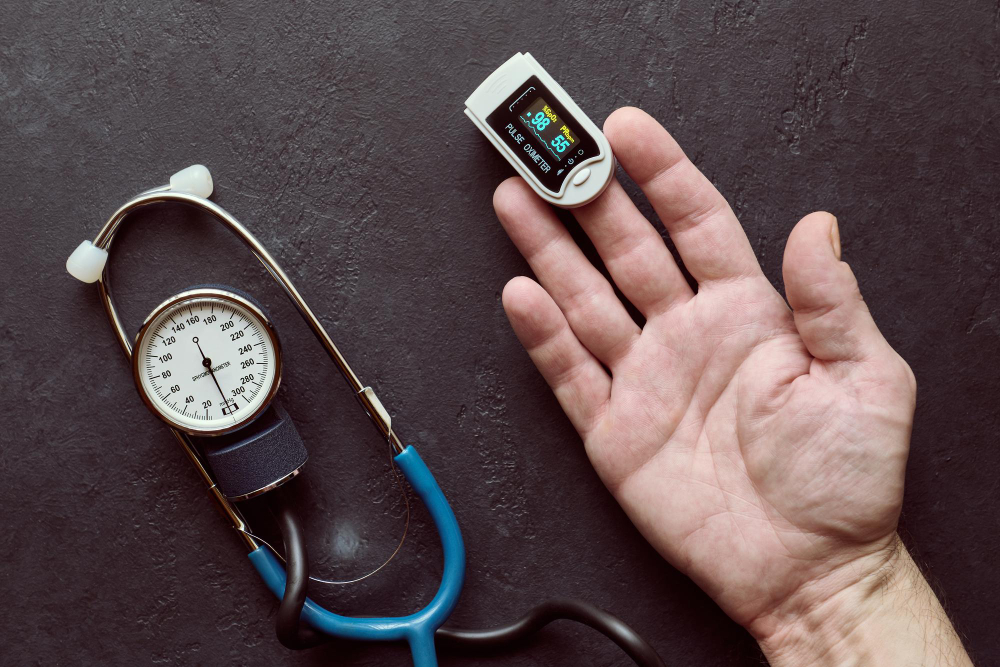
Silent killer hypertension is a term used for high blood pressure that often causes no warning signs. Although many people feel fine, this condition can quietly damage the body for years. Because it rarely shows symptoms, many do not know they have it. For this reason, regular blood pressure checks are essential. They help spot high blood pressure early, which is key for high blood pressure prevention and better health.
What Is Silent Killer Hypertension?
Hypertension means your blood pressure is higher than normal. Doctors call it the “silent killer” because it can harm your body without any clear signs. While you may feel healthy, high blood pressure can slowly damage your heart, brain, and kidneys. In most cases, people do not notice any symptoms. Therefore, many only find out they have hypertension during a routine checkup.
Symptoms and Risks of Hypertension
Usually, hypertension does not cause symptoms. However, some people may have:
Even so, these signs are rare and can be linked to other problems. For most, there are no clear warnings. As a result, untreated hypertension can lead to serious health risks, such as:
According to the World Health Organization (WHO), high blood pressure is a leading cause of heart disease and stroke worldwide.
Causes and Risk Factors
Many things can raise your risk for hypertension. For example, age and family history play a role. But lifestyle choices also matter. Common causes and risk factors include:
Because many of these can be changed, knowing your risks helps you prevent silent killer hypertension.
Importance of Regular Blood Pressure Checks
Regular blood pressure checks are very important. Since hypertension often has no symptoms, checking your blood pressure is the only way to know if it is high. Early detection means you can take steps to lower your risk of heart attack, stroke, and other problems. In addition, blood pressure monitoring tips from your doctor can help you track changes over time. The Centers for Disease Control and Prevention (CDC) recommends adults check their blood pressure at least once a year, or more often if they have risk factors.
How to Monitor Blood Pressure
You can check your blood pressure in several places. For instance, you can visit your doctor’s office, use a machine at a pharmacy, or use a home monitor. To get the most accurate reading, follow these tips:
Moreover, write down your results to share with your doctor. This helps track your blood pressure over time.
Prevention and Lifestyle Tips
There are many ways to lower or prevent high blood pressure. For example, making healthy choices each day can help. Try these tips for high blood pressure prevention:
By making these changes, you can help prevent silent killer hypertension and protect your health for years to come.
Explore advanced treatment options with expert guidance. Consult Dr. Sumanth Nulu