What Is Anemia?
Anemia is a common blood condition. It happens when your body does not have enough healthy red blood cells. These cells carry oxygen to your organs and tissues. Without enough oxygen, your body cannot work as it should. According to the World Health Organization (WHO), anemia affects people of all ages. However, it is especially common in women and children. Because the symptoms of anemia can be mild at first, many people do not notice them right away.
Common Symptoms of Anemia
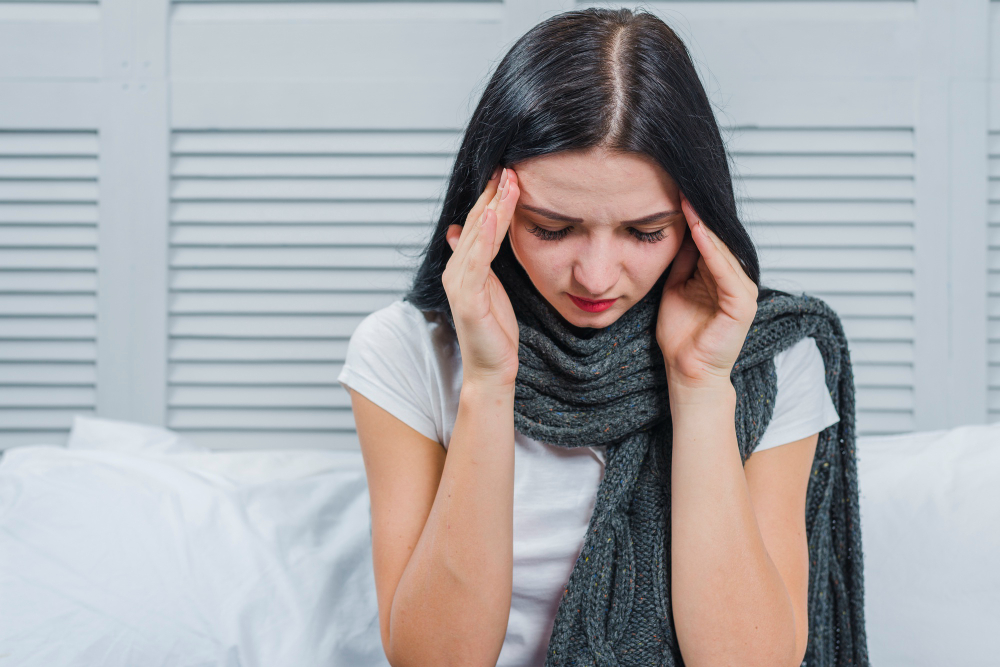
Recognizing the symptoms of anemia early can help you get the care you need. While some signs are easy to spot, others may be subtle. For example, you might feel tired even after a good night’s sleep. Below are some of the most common symptoms of anemia:
In many cases, these early signs of anemia appear slowly. Therefore, you might not notice them at first. But as anemia gets worse, the symptoms often become more obvious. The Centers for Disease Control and Prevention (CDC) notes that these anemia warning signs should not be ignored.
Less Common Symptoms of Anemia
Sometimes, anemia can cause other symptoms that are less well-known. For instance, you may notice changes in your mood or how you think. Here are a few less common symptoms of anemia:
Although these symptoms are less common, they can still be important anemia warning signs. If you notice any of these, it is wise to pay attention to how you feel overall.
When to Seek Medical Advice
Sometimes, symptoms of anemia can be mild and easy to miss. However, it is important to know when to talk to a doctor. For example, if you feel tired all the time or have trouble breathing, you should seek help. The CDC recommends seeing a healthcare provider if you notice any of the following:
Because anemia can sometimes signal a more serious health problem, early care is important. If you are unsure about your symptoms, it is always better to ask a healthcare professional.
How Symptoms May Differ by Age or Gender
While anyone can have anemia, symptoms may look different in children, adults, and older adults. For example, children may seem less active or have trouble keeping up with friends. In older adults, symptoms of anemia like tiredness or confusion may be mistaken for aging. Additionally, women may notice anemia warning signs during their periods, such as feeling extra tired or weak. Here are some ways symptoms can differ:
Because symptoms can vary, it is important to know how to identify anemia symptoms in yourself and your loved ones. If you notice changes that concern you, consider speaking with a healthcare provider.
Conclusion
If you notice signs of anemia or feel unsure about your symptoms, do not wait. Book a consultation with Dr. Sumanth Nulu to get the right advice and care for your health.